NEW PARADIGM
Forum newsletter: High noon at the petrol station – crisis management from days gone by
From our Forum New Economy newsletter series
BY
THOMAS FRICKEPUBLISHED
23. MARCH 2026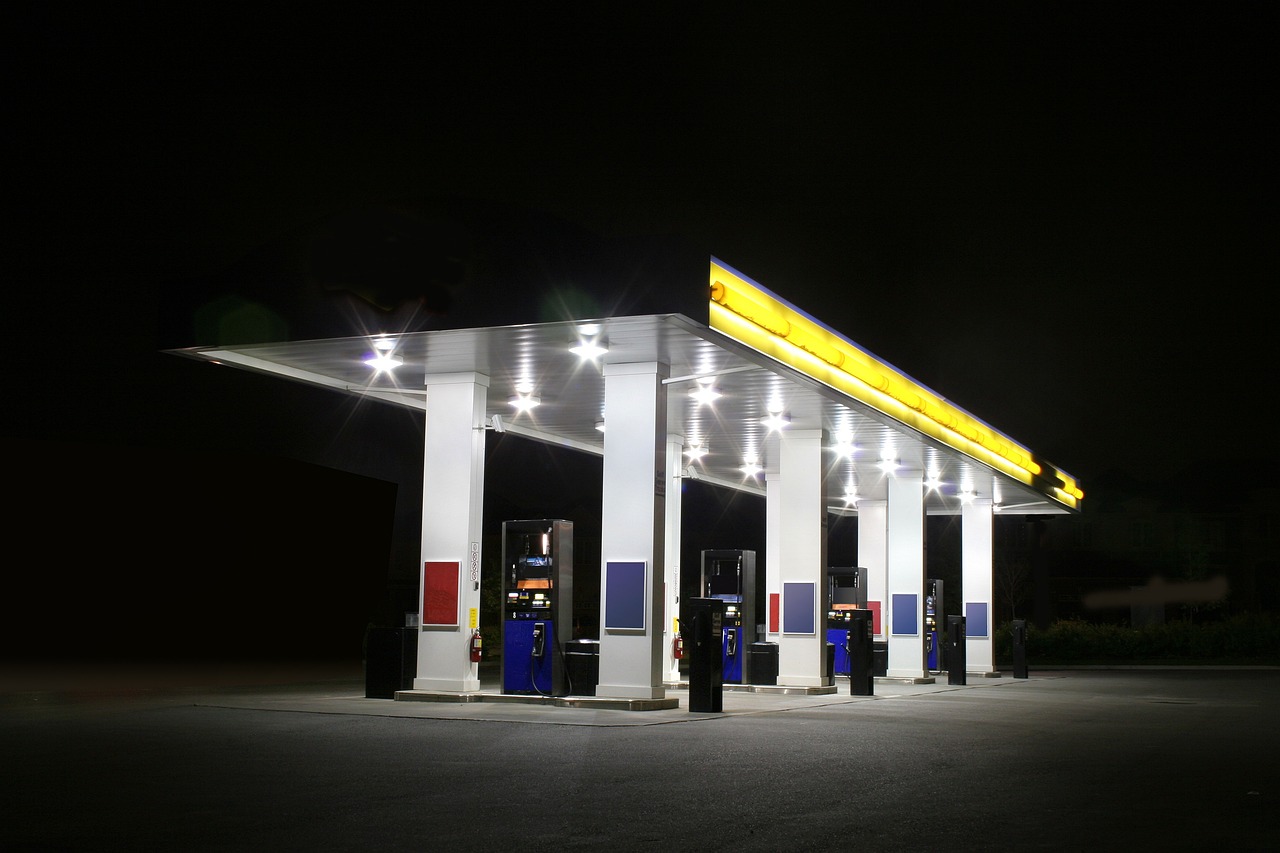
Dear friends and colleagues,
The more acute the crises and the more severe the shocks, the more important it seems that those in power and the governed have a fundamental guiding principle for how and by what means they respond to the challenges of their time. Just how absurd things become when such a paradigm is lacking can be seen in Germany at the moment – where the latest global gas and oil price shock is to be met by instructing local petrol station operators to please only raise prices at noon.
This reflects a sense of helplessness. It also reflects a mindset rooted in the previous paradigm, according to which markets ultimately always send the right signals – and the only exception might be that, for instance, in the petrol station market, collusion could occur due to the limited number of players. Yet the inflation shock of 2022 revealed that there is a deeper problem underlying the shock: that commodity markets can tend to escalate, through bouts of panic, into price explosions which have only a very limited connection to the kind of market-based control that makes sense in theory, but which instead entail dramatic political consequences. And that corporations can apparently also exploit the turmoil of inflation to raise their own prices – on the grounds that there is inflation. Disastrous.
In the US, this is likely to have prevented Joe Biden’s re-election. In Germany, the record inflation figures of 2022 coincide with the resurgence of the AfD. There is something Kafkaesque about reacting to the renewed threat of a shock by regulating petrol station pricing.
Those still stuck in the paradigm of the ‘perfect market’ will not counter price shocks as urgently as seems necessary, given that financial and commodity markets do indeed tend to veer into dangerous excesses time and again – and that corporations are then all too happy to exploit inflation.
If that is the case, those in power would need a much more effective set of tools for crises such as the current one, to prevent price spirals from getting off the ground in the first place – whether through intervention in the commodities markets or price caps. When the markets are clearly overreacting, it is misguided to reject such interventions on the grounds that they disrupt the markets. What matters more is which measures are most effective – whether price caps or taxes on excess profits as a deterrent.
Anyone who reflexively attempts to combat the ever-new crises of our time with measures derived from a paradigm that has been overtaken by reality will not prevent the next surge in support for populists.
*
The paradigm-shifting responses to the geopolitically driven crises of (market-liberal) globalisation could well include the initiative recently launched in Brussels under the banner ‘Buy European’. When the Chinese and Americans are vigorously supporting their own industries, and Germany in particular has become dangerously dependent on strategically important products such as chips due to unregulated trade, it is also questionable here whether the rules from the era of the old market-liberal paradigm – which stipulate that there should be as little intervention in industrial policy as possible – are still helpful.
We discussed this in our New Economy Short Cut this week with Armin Steinbach, Chief Economist at the Federal Ministry of Finance, and Sander Tordoir from the Centre for European Reform – watch the recording here. Another contribution in the search for a urgently needed new paradigm.
Have a great weekend,
Thomas Fricke
This text is from our bi-weekly newsletter series. To subscribe, click here.