
Deep crisis or pity party? – an attempt at a realistic assessment of the German economy as we enter 2026
12/December/2025
1:00 PM CET
PLACE
Zoom
LANGUAGE
Englisch
Hardly a day has passed in the past year without warnings of decline and downward spirals in Germany – and therefore calls to reduce bureaucracy, cap social transfers, slow down pension growth or abolish public holidays. But how are these issues related to weak exports or industrial output? Can the proposed measures help in the face of trade disputes with big players or address the car industry’s challenges?
Danish economist Erik Fossing Nielsen recently countered the pessimism with a much more nuanced analysis. So are Germany’s doom-sayers exaggerating? Where do Germany’s problems really lie and what are the best measures to address them?
We will discuss this in our next New Economy Short Cut². In cooperation with the OECD Berlin Centre:
Deep crisis or pity party? –
an attempt at a realistic assessment of the German economy as we enter 2026
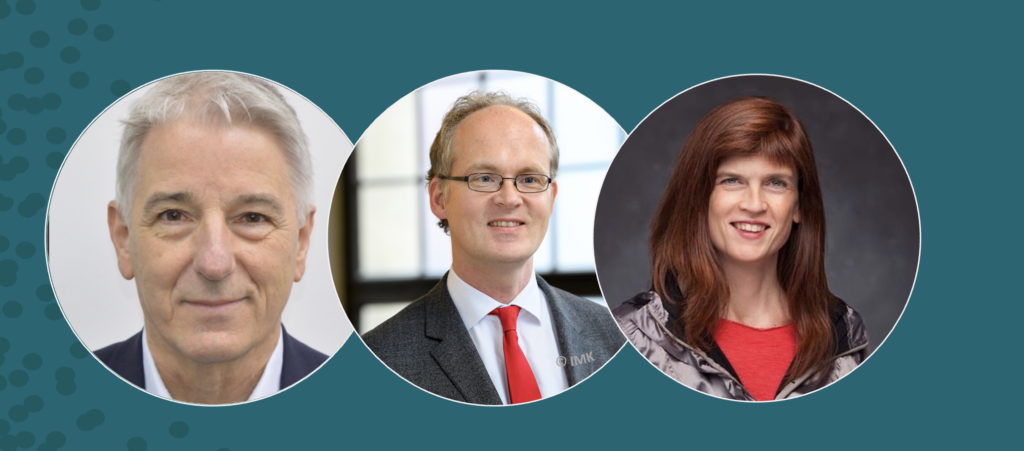
With Erik Fossing Nielsen, Independent Economics,
Sebastian Dullien, IMK Düsseldorf,
and Nicola Brandt, OECD Berlin.
On Friday, 12 December 2025, at 1 p.m. – via Zoom.
Rewatch the whole discussion here:
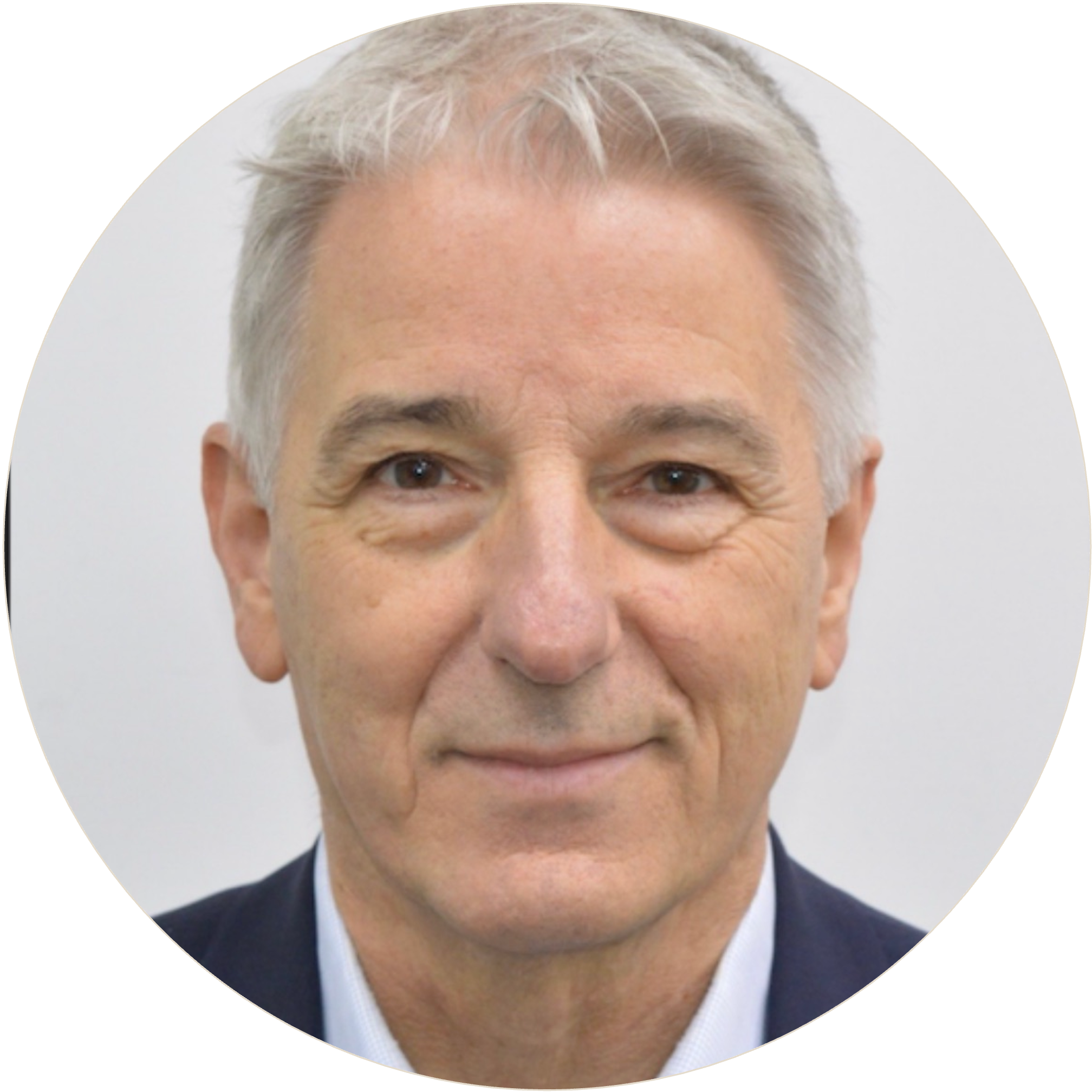
Erik Fossing Nielsen
Erik is Senior Advisor at Independent Economics with over 40 years’ experience in global economic policy, macro analysis and financial markets. He previously served as Group Chief Economics Advisor at UniCredit and was Global Chief Economist after a long career at Goldman Sachs, the IMF and the World Bank. He writes the widely read Sunday Wrap and appears frequently on Bloomberg and CNBC.
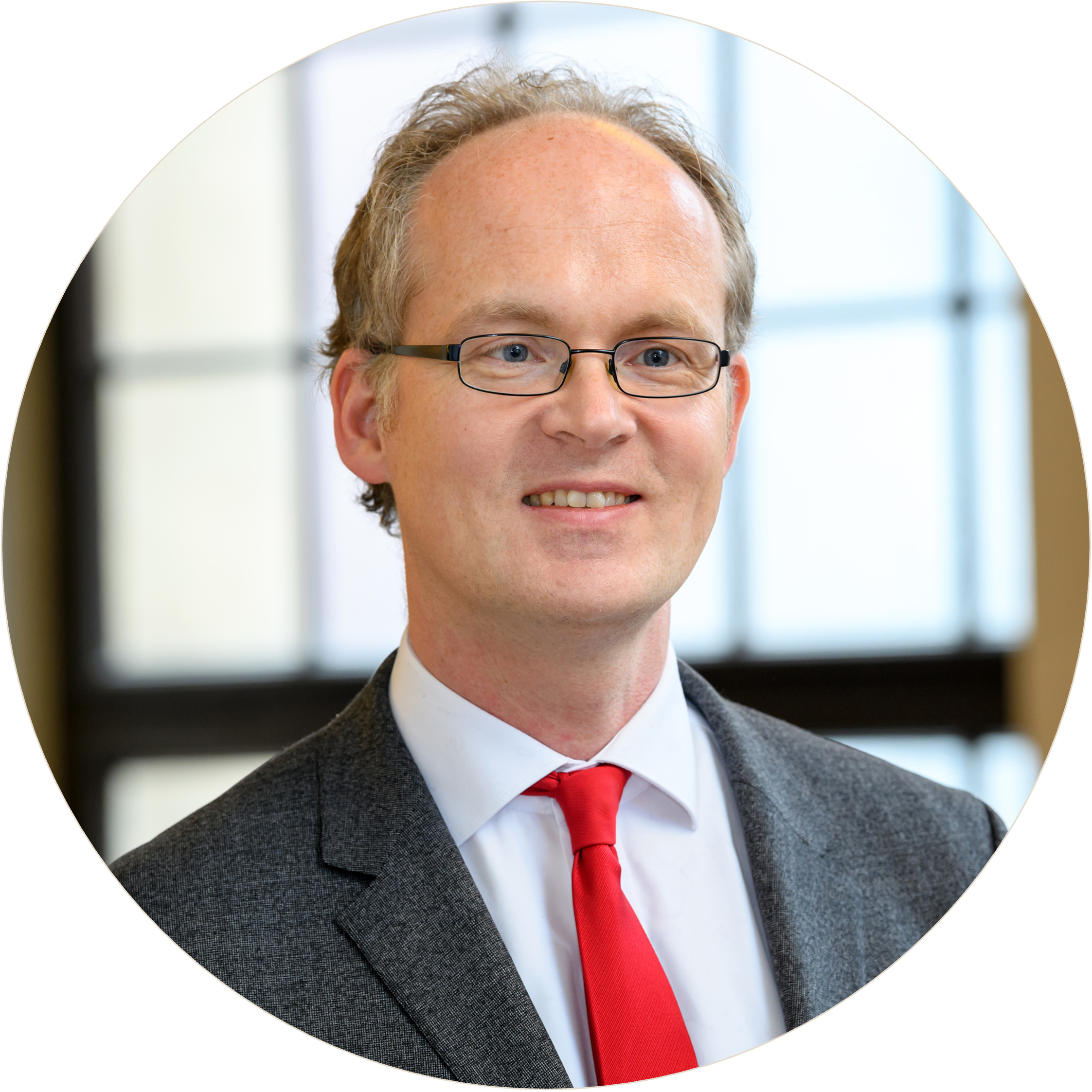
Sebastian Dullien
is Research Director of the Macroeconomic Policy Institut (Institut für Makroökonomie und Konjunkturforschung) of the Hans-Böckler-Foundation and professor for international economics at HTW Berlin.
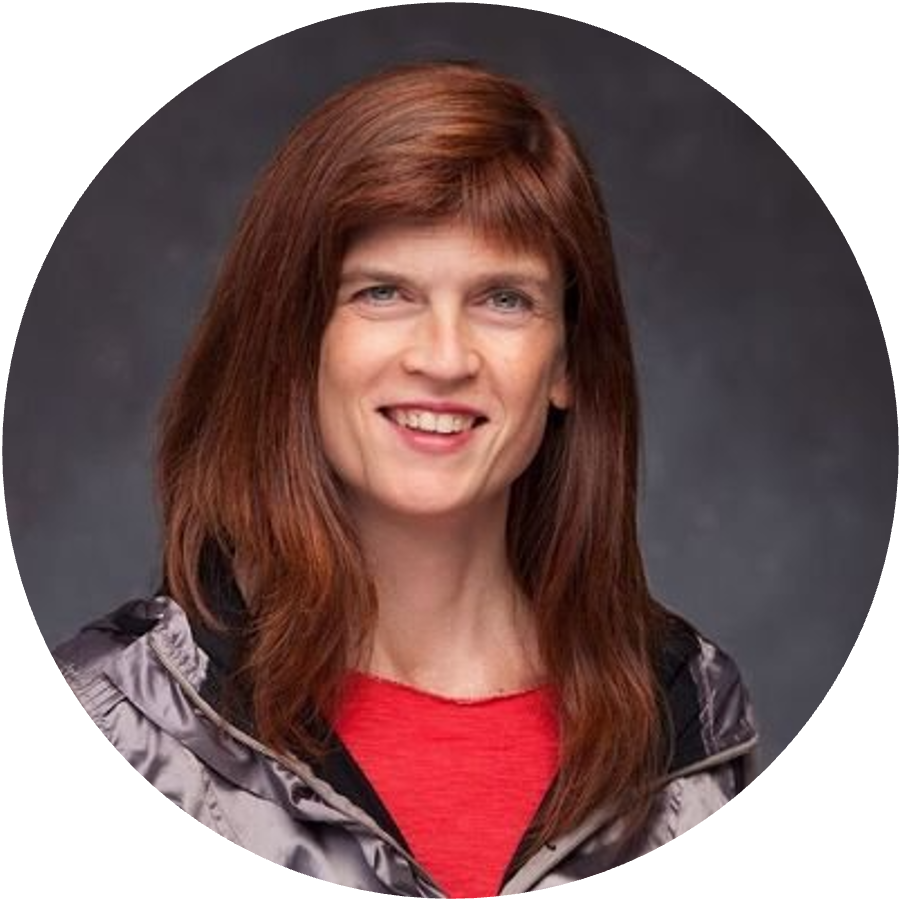
Nicola Brandt
has been Head of the OECD Berlin Centre since October 2019. She holds a doctorate in economics and has spent many years advising governments on the development of their economic and fiscal policies. Her responsibilities have included the OECD Economic Surveys for Mexico, Chile, France and Poland. Her work has focused on tax and social policy, education, labour market, innovation, and environmental policy.